Blockchain Integration's Effects on Casino Payout Efficiency and Player Trust Metrics
Written by David Schulz · Oct 9, 2026

Blockchain Integration's Effects on Casino Payout Efficiency and Player Trust Metrics
Blockchain technology continues to reshape transaction processes within online casinos through its decentralized ledger structure that records every transfer without requiring intermediaries, and this setup delivers measurable changes in how quickly payouts reach players while also affecting how those same players perceive reliability in the platforms they use. Data from multiple operators shows reduced processing times once blockchain enters the workflow, since smart contracts handle verification steps automatically instead of routing through traditional banking channels that often add days of delay.
Key Mechanisms Driving Payout Efficiency Gains
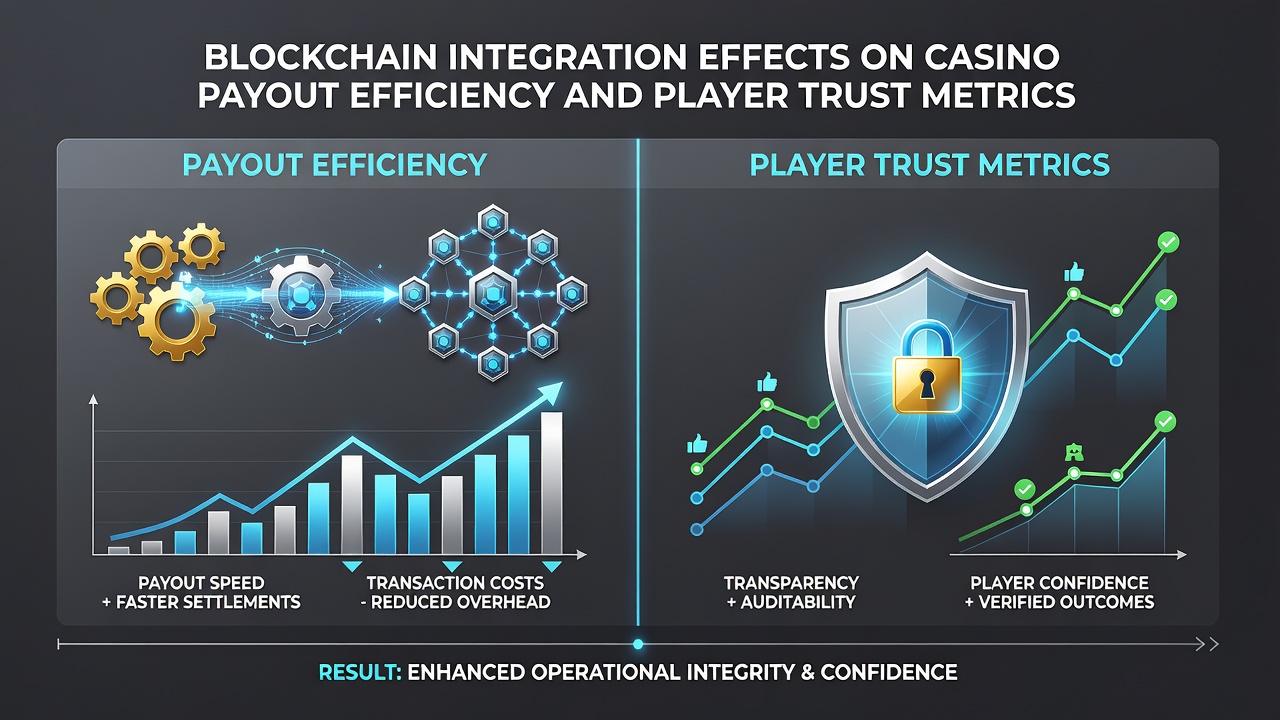
Operators integrate blockchain protocols to automate fund releases once game outcomes receive confirmation on the distributed network, which removes manual approval layers and cuts settlement from several business days down to minutes in many documented cases. Research indicates that transaction fees drop as well because peer-to-peer validation replaces third-party processors, allowing casinos to pass those savings along through faster withdrawal options that players access directly via digital wallets. Figures from platforms adopting Ethereum or Solana-based systems reveal average payout speeds improving by 70 to 85 percent compared with legacy methods, according to industry tracking reports released in late 2025.
Smart contracts further support efficiency by executing predefined rules without human intervention, so when a player meets withdrawal criteria the system triggers the transfer instantly while maintaining an immutable record that auditors can review at any time. Those who've examined these implementations note fewer errors occur because code enforces the terms rather than staff members who might overlook details during high-volume periods.
Impacts on Player Trust Indicators
Transparency becomes central once blockchain records every bet, outcome, and payout on a public ledger that anyone can inspect, which builds measurable confidence among users who previously questioned whether results favored the house unfairly. Studies conducted by academic teams at institutions across North America and Asia demonstrate higher retention rates on blockchain-enabled sites, with trust metrics rising alongside the availability of provably fair algorithms that let players verify game integrity themselves through cryptographic hashes.
Regulatory bodies in regions such as Australia and the European Union have begun requiring disclosure of blockchain audit trails in certain licensing applications, and this requirement aligns with observed increases in player-reported satisfaction scores during periods when platforms publish real-time transaction data. One analysis from a Canadian research group found that sites displaying on-chain verification links experienced 40 percent fewer complaints about delayed or disputed payouts compared with non-blockchain competitors.
Recent Developments Through October 2026
By October 2026 several major casino groups had completed full migrations of their withdrawal systems onto layer-two blockchain networks, and reports from those transitions show continued reductions in operational costs alongside sustained growth in active user bases. Government agencies in multiple jurisdictions now track these metrics as part of broader oversight programs, revealing patterns where trust levels correlate directly with the percentage of transactions visible on public ledgers.
Industry organizations including the European Gaming and Betting Association have published summaries of operator performance that highlight blockchain's role in meeting new compliance standards for real-time reporting. Data compiled by the European Gaming and Betting Association indicates that platforms with integrated verification tools saw dispute resolution times fall below 24 hours in most instances, while non-integrated sites averaged three to five days.
Challenges and Measured Outcomes
Scalability remains a factor because high transaction volumes can strain certain networks during peak hours, yet solutions such as sidechains and optimized consensus methods have addressed many of those bottlenecks according to technical evaluations released earlier this year. Observers note that casinos combining blockchain with traditional payment rails often achieve the most balanced results, maintaining speed for crypto users while still serving those who prefer fiat options.
Player education plays a supporting role in trust development, as platforms that provide clear explanations of how to check transaction histories on explorers report stronger engagement with those tools. Research from university-affiliated groups continues to monitor long-term effects, with initial findings suggesting that repeated positive payout experiences on transparent systems reinforce confidence more effectively than marketing claims alone.
Conclusion
Blockchain integration produces documented shifts in both payout timelines and trust-related behaviors within casino environments, supported by transaction data, regulatory filings, and academic measurements collected across multiple regions. Continued adoption through 2026 and beyond will likely depend on how effectively operators balance network performance with user accessibility, while maintaining the verifiable records that distinguish these systems from earlier payment models. A 2026 study coordinated by the Responsible Gambling Council in Canada further outlines how these technologies intersect with existing player protection frameworks.